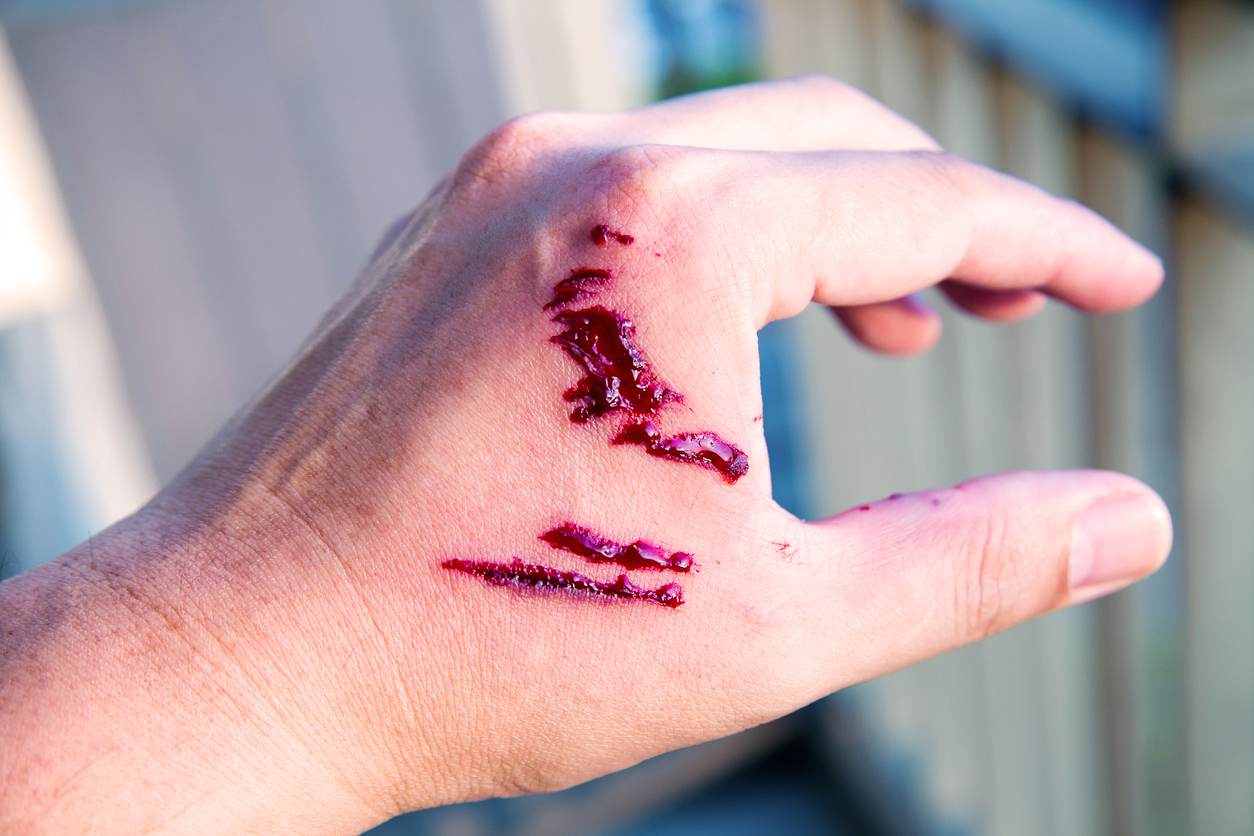
Rabies and traveller risk
Following a British woman’s death from rabies in June 2025, there has been a significant increase in post-exposure treatment requests, prompting the Government to update official guidance. General practice nurses play a crucial role in risk assessment, patient education, advice on rabies vaccination and ensuring timely intervention in the event of exposure.
Learning objectives
Upon completing this module, learners should understand:
- What rabies is and its risk to travellers.
- How to conduct a pre-travel rabies risk assessment.
- Advice for travellers on rabies prevention, including pre-exposure prophylaxis (PrEP).
- Steps to take if a patient has been exposed to rabies.
- Who to contact regarding post-exposure rabies vaccine and human rabies immunoglobulin (HRIG).
This module is offered at an intermediate level. Read the article and answer the self-assessment questions, and reflect on what you have learned. Complete the resource to obtain a certificate to include in your revalidation portfolio. You should record the time spent on this resource in your CPD log.
Additional reading
Contents
Following a British woman’s death from rabies in June 2025, there has been a significant increase in post-exposure treatment requests, prompting the Government to update official guidance.
- Rabies is a viral disease, almost always fatal once symptoms appear, and is primarily contracted via bites or scratches from infected animals (especially dogs).
- The UK is free from rabies in terrestrial animals (excluding bats) since 1902, with rare cases reported from travellers returning from abroad.
- Effective vaccines can prevent rabies both before (PrEP) and after (post-exposure treatment) potential exposure.
- Prevention is crucial for travellers to endemic regions, particularly in Asia, Africa, and the Americas.
- Vaccination is recommended for those staying over a month, engaging in outdoor activities, or travelling to areas with limited medical care.
Pre-travel risk assessment
Risk assessment is a vital part of travel consultations, considering:
- The traveller’s destination and its rabies risk (refer to NaTHNaC or A-Z country lists).
- Activities planned (e.g., running, cycling) and remoteness of the area and access to medical care
- Rabies is present on all continents except Antarctica; risk is highest where canine rabies is endemic. Notably, 99% of rabies cases result from dog bites, with unprovoked attacks carrying the greatest risk.
Pre-Exposure Prophylaxis (PrEP)
The Green Book recommends PrEP only for:
- Lab workers handling rabies virus, DEFRA-authorised quarantine staff, bat handlers, and certain veterinary staff.
- Travellers to endemic areas, especially if medical care is inaccessible, engaging in high-risk activities, or staying longer than a month.
The standard regimen is three vaccine doses (days 0, 7, 28; or accelerated if time is short). Intradermal administration is recommended by WHO (but not yet by UK authorities) to reduce cost and improve adherence, but should be performed by experienced staff. Vaccines can be co-administered with other travel vaccines at different sites.
Rabies vaccine for travel is not NHS-funded, so patients should attend private clinics if necessary. For occupational risk, vaccination may be arranged through employers. Rabies vaccine can be offered on the NHS for volunteers who regularly handle bats.
Patient education
General practice nurses should advise travellers to:
- Avoid contact with wild and domestic animals, including in zoos or temples.
- Not to approach animals behaving unusually or appearing unwell.
- Supervise children closely, as they are at higher risk of unreported exposure.
- Be aware that activities like running or cycling can attract dogs.
- If a bat is found in a sleeping area or exposure is uncertain, assume exposure has occurred.
Post-exposure management
If exposure occurs:
- Contact the Rabies and Immunoglobulin Service (RIgS) urgently for risk assessment and clinical guidance.
- Risk assessment factors: wound site/severity, circumstances, species/health of animal, and type of exposure.
- Collect detailed patient and incident information for RIgS.
- Immediate wound cleansing with soap and water, followed by disinfection, is essential.
- Post-exposure treatment typically includes a 5-dose vaccine course and HRIG (when indicated), ideally within 7 days of exposure.
Pre-travel advice for travellers in the event of exposure
- Wash wounds thoroughly with soap and water, apply disinfectant e.g., 40-70% alcohol, iodine
- If animal saliva contacts mucous membranes (eyes, nose or mouth), rinse copiously with water.
- Seek immediate medical attention, even if vaccinated; do not wait until return to the UK.
- Keep a record of any treatment received abroad and contact GP upon return
- Prompt post-exposure treatment is essential, regardless of prior vaccination status, or the severity of the incident.
Documentation and NHS Provision
- Rabies vaccines for travel must be administered under a Patient Specific Direction (PSD).
- Rabies is a notifiable disease; suspected cases must be reported – see https://www.gov.uk/guidance/report-a-notifiable-disease
- Post-exposure rabies vaccine is always provided on the NHS.
- All requests for post-exposure treatment should be accompanied by a completed RIgS form, available at https://www.gov.uk/government/publications/rabies-post-exposure-risk-assessment-form-and-calendar
Contacts for post-exposure advice and HRIG
- England: UKHSA RIgS, Colindale: 0330 128 1020 (7 days a week, 09:30–17:00).
- Scotland: On-call infectious diseases via hospital switchboard. A list of numbers is available at: https://publichealthscotland.scot/population-health/health-protection/infectious-diseases/rabies/infectious-disease-contacts/
- Wales: Wales Specialist Virology Centre, University Hospital Wales. Tel: 029 2074 2178; Out of hours: 029 2074 7747
- Northern Ireland: Royal Victoria Hospital Pharmacy Department, Belfast, on on 028 9024 0503.
- An out-of-hours service is available for high-risk exposures.
Case Study
Geraldine*, a 73-year-old lady contacts the surgery from Thailand where she is staying for 2 months, to ask for advice after being scratched by a cat. She had been sitting in an outside café and the cat had been prowling around – then it scratched her down the back of both legs, drawing blood.
She had washed the wounds thoroughly and applied antiseptic, and the following day visited a local doctor. He administered a rabies vaccine and told her to return in 4 weeks for a second vaccination.
Geraldine decided to come home early and contacted the surgery before leaving Thailand to ascertain whether rabies vaccine would be available and how much it would cost.
She was seen immediately on her return to the UK, and the travel health nurse administered the second dose from practice stock, having contacted the Rabies and Immunoglobulin Service (RIgS) service who sent vaccine to replenish the practice supply. As Geraldine had already received one dose of vaccine it was too late to give HRIG.
Discussion
Initial post-exposure management in Thailand was incorrect: UK guidance is to provide a 5-dose course of PEP, plus HRIG. Post-exposure rabies vaccine is always an NHS provision.
*This case study is based on a real patient whose name has been changed to protect patient confidentiality.
Conclusion
Rabies is almost invariably fatal if untreated but preventable through vaccination and prompt post-exposure care. General practice nurses play a crucial role in risk assessment, patient education, and ensuring timely intervention. Staying updated on national guidance and resources is essential for effective practice.
RESOURCES AND FURTHER INFORMATION
NaTHNaC/Travel Health Pro https://travelhealthpro.org.uk/
A-Z list of countries and their category risk for rabies, https://www.gov.uk/government/publications/rabies-risks-by-country
UKHSA. The Green Book, Chapter 27: Rabies. https://www.gov.uk/government/publications/rabies-the-green-book-chapter-27
UKHSA. Rabies: summary of risk assessment and treatment. https://www.gov.uk/government/publications/rabies-post-exposure-prophylaxis-management-guidelines/rabies-summary-of-risk-assessment-and-treatment
Summaries of Product Characteristics for rabies vaccines licensed in the UK are available at https://www.medicines.org.uk/emc
UKHSA. Rabies Information for travellers. https://www.gov.uk/government/publications/rabies-risks-for-travellers
Patient. Rabies and rabies vaccine (information for patients). https://patient.info/travel-and-vaccinations/travel-vaccinations-leaflet/rabies-vaccine
NHS. Rabies. https://www.nhs.uk/conditions/rabies/
Related modules
View all Modules