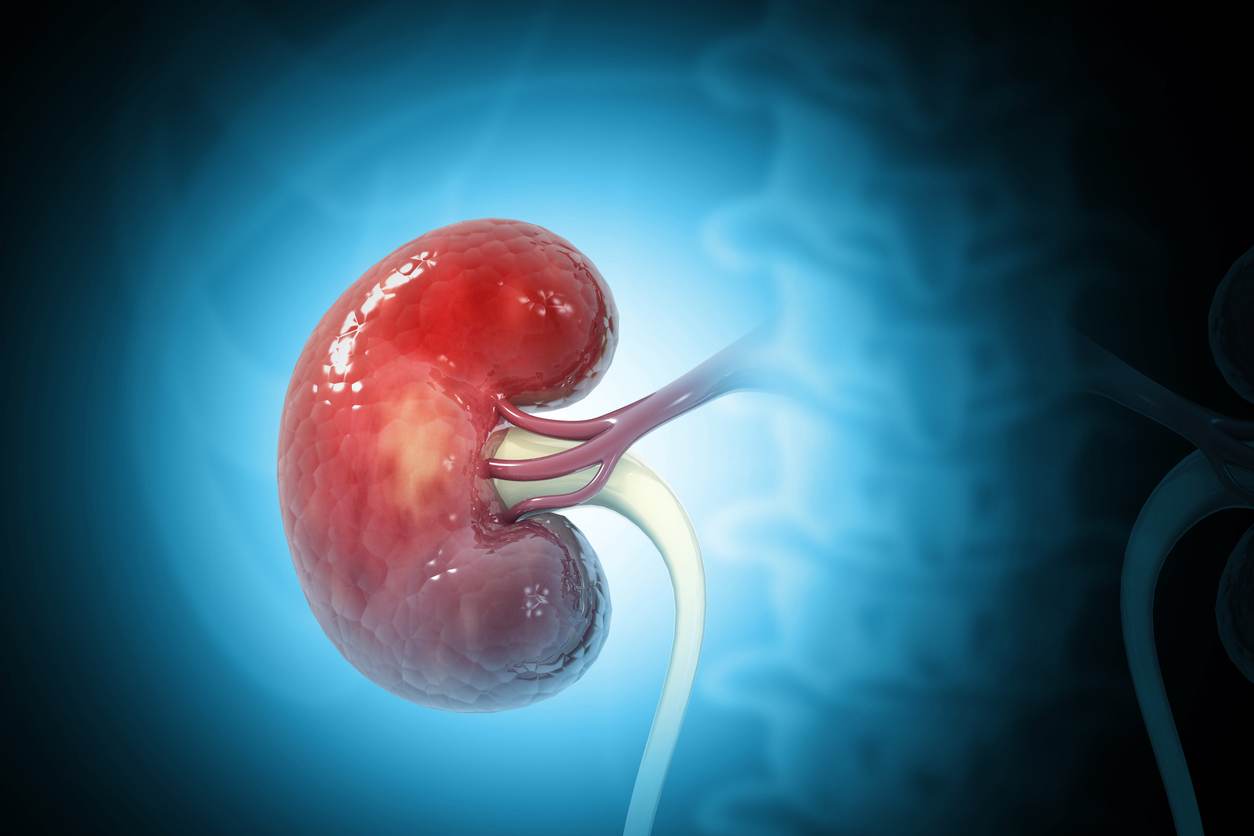
Treating hypertension in CKD reduces CVD events
Practice Nurse 2026;56(3):6
Lowering blood pressure (BP) significantly reduces major cardiovascular events in chronic kidney disease (CKD) patients, with benefits matching those without CKD, according to a large meta-analysis published in The Lancet.
The findings challenge long-standing caution in advanced disease and support broader, earlier intervention. This evidence could reshape treatment strategies, expand antihypertensive use, and influence clinical guidelines across a growing, high-risk patient population globally across care settings, says GlobalData, an intelligence and productivity platform.
The effect of BP lowering was consistent across all CKD stages, including advanced stages 4–5, and did not vary by baseline BP or proteinuria. The cardiovascular benefit was also similar across antihypertensive drug classes.
One important exception was in CKD patients with diabetes, who experienced a smaller relative risk reduction. This meta-analysis is important because it includes many patients with more advanced kidney impairment—a group that has been underrepresented in earlier trials and meta-analyses.
Using data from 46 randomised trials and 285,124 participants, researchers found that a 5mmHg reduction in systolic BP lowered major cardiovascular events in people with CKD to a similar degree as in those without CKD, with no meaningful loss of benefit as kidney function declined.
The main clinical implication is that BP-lowering therapy should no longer be viewed as only marginally useful in CKD or reserved for patients with a clearly high baseline BP. The study found a consistent benefit across CKD stages 1–5, across baseline blood-pressure categories, and regardless of proteinuria status, including in advanced CKD with a mean estimated glomerular filtration rate around 25mL/min per 1.73m².
Zeng G, et al. The Lancet 2026;407:1626-1638. https://www.thelancet.com/journals/lancet/article/PIIS0140-6736(26)00367-3/fulltext
Related news
View all News