Specialist nurses aim to break down barriers in CRM care
Practice Nurse 2026;56(4):6
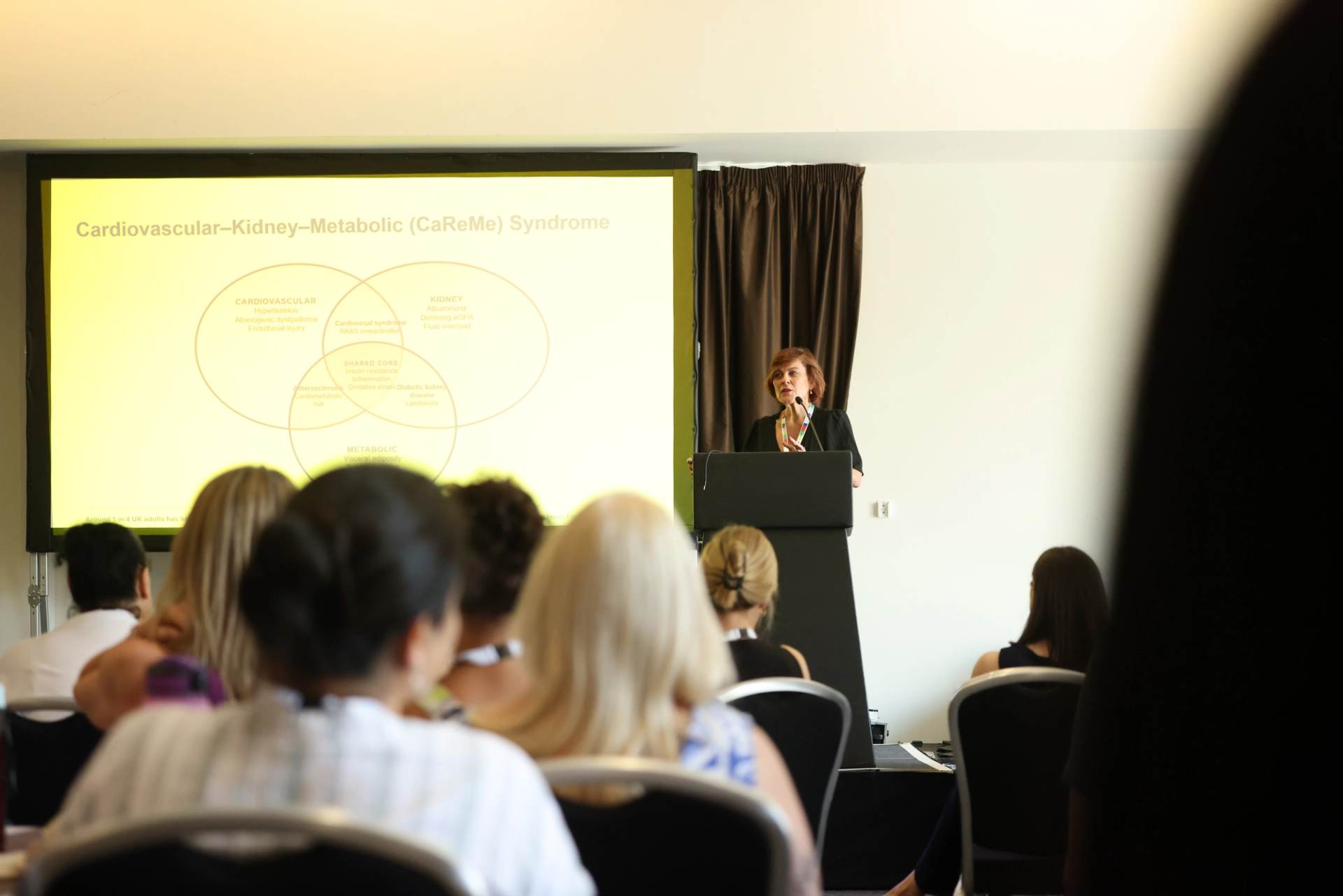
More than 80 specialist nurses gathered last month for the fifth annual hFRenDs (Heart failure, Renal and Diabetes) meeting, aimed at breaking down the traditional barriers between cardiovascular, renal and metabolic care in the face of growing evidence surrounding the interlinked nature of these conditions.
Held in collaboration with the British Society for Heart Failure Nurse Forum, Diabetes Specialist Nurse Forum UK, and the Association of Nephrology Nurses, the event attracted 84 healthcare professionals from across the UK.
With growing recognition that the cardio-renal-diabetes spheres are closely linked, hFRenDs is on a mission to move healthcare professionals beyond specialty silos, building the multidisciplinary networks and partnerships needed to enhance patient care.
Keynote speaker Beverley Bostock, an advanced nurse practitioner in general practice, issued a rallying call against fragmented care. ‘People don’t exist in silos,’ she said, adding that these conditions did not exist in isolation. She described cardiovascular disease, chronic kidney disease, diabetes and metabolic conditions as ‘just different sides of the same coin.’
The three conditions, heart failure, renal disease and diabetes, place a significant burden both on patients and the NHS.
Diabetes Nurse Consultant Julie Brake highlighted the almost five million UK diabetes cases, rising type 1 incidence post-pandemic, aggressive early-onset type 2, and low uACR testing, and drew attention to the NHS 10 Year Plan’s five shifts: local care, wearable tech, earlier type 2 diabetes treatment access, tackling inequalities, and prioritising prevention over reactive care.
Heart Failure and Cardiac Sarcoid Clinical Nurse Specialist Hannah De la Salle said there were now 200,000 new diagnoses of heart failure reported annually in the UK. To counter these rising numbers, the British Society for Heart Failure (BSH) have created resources and initiatives such as a competency document and QI Academy, with the intention of equipping HFSNs to make changes to services.
Advanced Clinical Practitioner Vicky Sutch gave a stark warning regarding dialysis, ‘We’re looking around a 400% increase, which is just untenable.’ Pointing to RAAS inhibitors, SGLT2 inhibitors and the emerging role of GLP-1 receptor agonists, she also highlighted the importance of continued professional development, including ANN UK’s online course, Enhancing Practice in Kidney Care, available at https://ann-uk.org/learning.
Afternoon keynote speaker Richard Samuel, Director of Healthcare Strategy at the AI-powered automation company, EBO, led the discussion on AI’s growing role in managing complex conditions. This moved beyond clinical data to explore what smarter integration really means: practical, everyday support for nurses and tools that evolve alongside the technology.
Attendees also had the opportunity to share real-world examples of service innovations and patient support initiatives. Feedback from the event was overwhelmingly positive. With an average rating of 4.92 out of 5, most attendees said they would encourage colleagues to attend the 2027 meeting, underlining support for this cross-specialty, collaborative way of working.
Related news
View all News