Modest lifestyle changes reduce all-cause deaths
Practice Nurse 2026;56(1):5
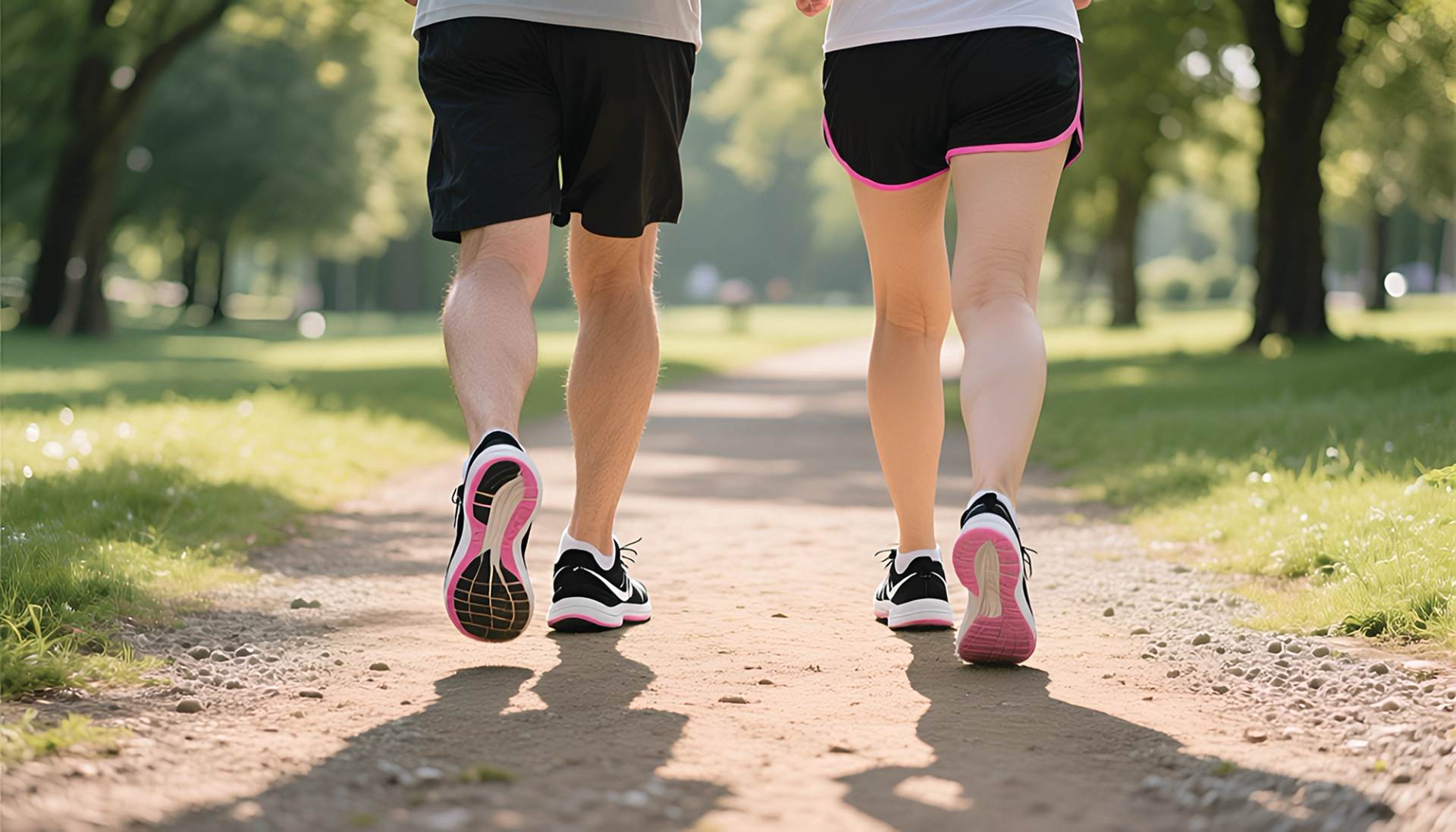
Moderate-intensity physical activity, such as walking at an average speed of 5 km/h (3 mph) for an extra five minutes a day is associated with a 10% reduction in all deaths in the majority of adults, according to a new study published in The Lancet.
The study also found that reducing sedentary time by 30 minutes per day was associated with an estimated 7% reduction in all deaths if adopted by the majority of adults (who spend 10 hours being sedentary per day), and around 3% of all deaths if adopted by the most sedentary adults (who spend 12 hours being sedentary per day on average). The greatest benefit was observed if the least active 20% of the population increased their activity by 5 minutes per day.
The new study analysed data from more than 135,000 adults in Norway, Sweden, the US and the UK, who were followed for 8 years, using device-measured physical activity and time spent sedentary. The study found that being active at least at moderate intensity for an additional 10 minutes per day was associated with a 15% reduction in all deaths among most adults and a 9% reduction among the least active adults. A one-hour reduction in sedentary time among the majority of adults was associated with a 13% reduction in all deaths, and a 6% reduction among the least active adults.
The authors emphasize that their findings are meant to highlight potential benefits for the population as a whole and should not be used as personalised advice, such as specific exercise recommendations for individuals.
A separate study also found that when combined, small improvements in sleep, physical activity, and diet are linked with a longer life. Researchers found the combined relationship of sleep, physical activity and diet is larger than the sum of the individual behaviours, and that only small adjustments could lead to meaningful benefits.
Ekelund U, et al. Lancet 2026; https://www.thelancet.com/journals/lancet/article/PIIS0140-6736(25)02219-6/fulltext
Koemal NA, et al. eClinMed 2026; https://www.thelancet.com/journals/eclinm/article/PIIS2589-5370(25)00676-5/fulltext
Related news
View all News