Call for increased access to CGM
Practice Nurse 2026;56(1):5
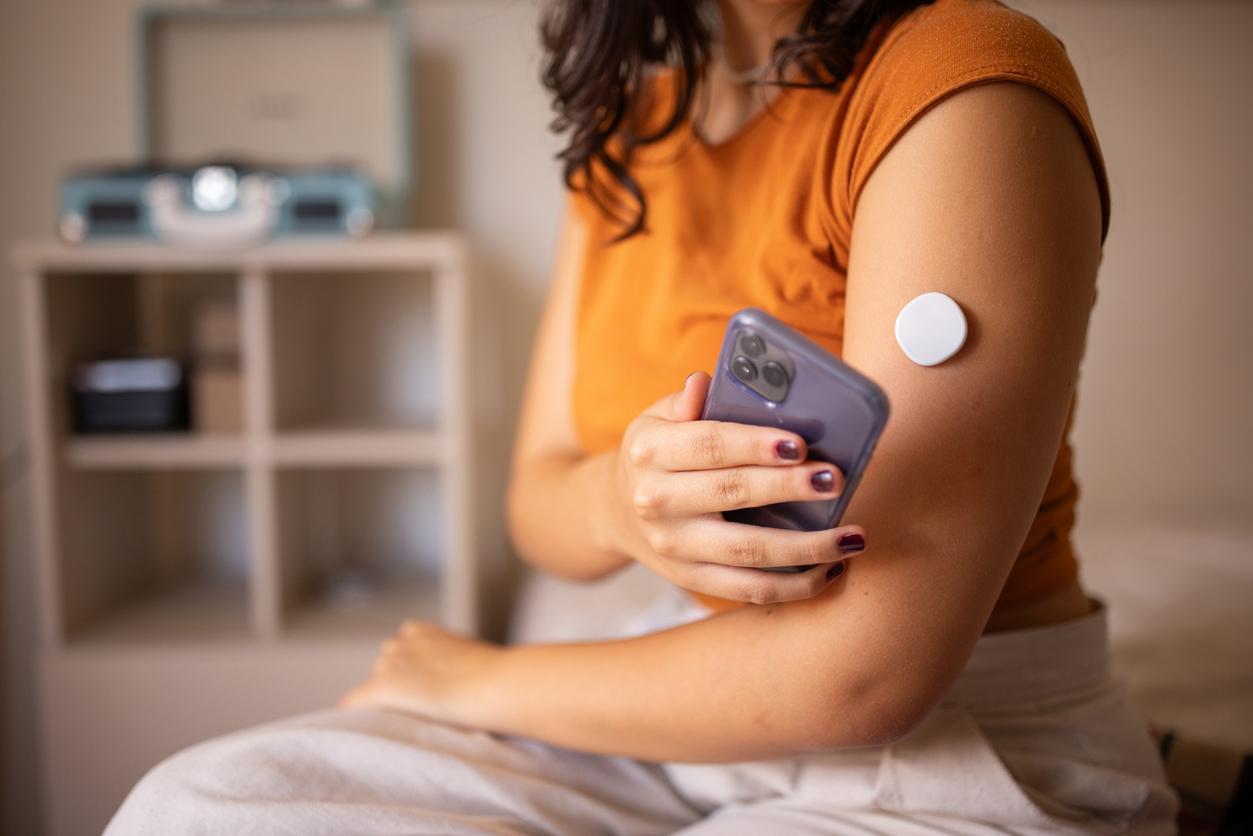
Adults with type 2 diabetes (T2D) who use continuous glucose monitoring (CGM) frequently achieve significantly better glycaemic outcomes than those using traditional finger-prick testing, according to a recent study.
Researchers found that consistent CGM use resulted in improved time-in-range, reduced glucose variability, and better overall diabetes control – key factors in preventing the organ damage that claims hundreds of lives each week across the UK.
However, CGM access remains limited. While NHS England has expanded CGM provision for patients with type 1 diabetes and some patients with T2D, millions remain reliant on outdated monitoring methods that provide only snapshots of glucose levels rather than continuous insight.
More than one in three adults is now at high risk of developing T2D, with diagnosed cases projected to exceed 5.7 million by the end of 2025. GP-recorded prevalence rose to 7.0% in March 2024, up from 6.8% the previous year, marking the highest rate ever reported by the National Diabetes Audit.
Age, weight, inactivity, and genetic predisposition all contribute to risk, yet the use of CGM enables personalised prevention and management strategies, supporting more effective glycaemic control, and in some cases reducing the need for diabetes drugs.
TV celebrity doctor, Dr Dawn Harper and CGM manufacturer Yuwell Anytime CGM are urging the NHS to expand CGM access for all patients with T2D who would benefit from it, expanding screening programmes and invest in prevention and education to reach at-risk adults.
Hirsch IB, et al. JAMA Netw Open 2025;8(10):e2539278
Related news
View all News