Travel health update January-February 2026
Jane Chiodini, MSc(Travel Med), RGN, FFTM RCPS(Glasg), QN, Director of Education, Faculty of Travel ...
Practice Nurse 2026;56(1):31
An increase in deaths over the last 12 months illustrate the serious threat posed by malaria to UK travellers, plus new warning over the risks of methanol poisoning associated with travel to African and other long-haul destinations
NEW WHO MALARIA REPORT
The 2024 World Malaria Report from the World Health Organization (WHO), published in December 2025, shows that the number of malaria cases increased by 9 million from the previous year, with 94% of the cases occurring the WHO African Region.Factors contributing to the increase included technical, systemic, environmental, and financial challenges, including weak service delivery and surveillance, conflict and environmental disruptions, some biological threats, social inequities, and funding shortfalls.There were also 610,000 deaths from malaria, with more than 50% of these occurring in Nigeria, Democratic Republic of Congo (DRC), Niger, and Tanzania. The report focuses on the growing threat of antimalarial drug resistance and a partial resistance to some of the drugs used for treatment. The better news is that a new generation of nets offer superior protection against malaria than pyrethroid-only nets, and are becoming more widely available. The malaria vaccine introduced into the national childhood immunization programme has now been extended to 24 African countries.Malaria remains a serious threat to our UK travellers visiting endemic areas, particularly those going to see friends and family.It is important to offer malaria prevention advice in your travel consultations. View the malaria page for many tools to help you, at https://www.janechiodini.co.uk/help/malaria/, and consider taking my malaria course at https://janechiodini.learnupon.com/store/4412778-3-malaria-matters.
METHANOL POISONING
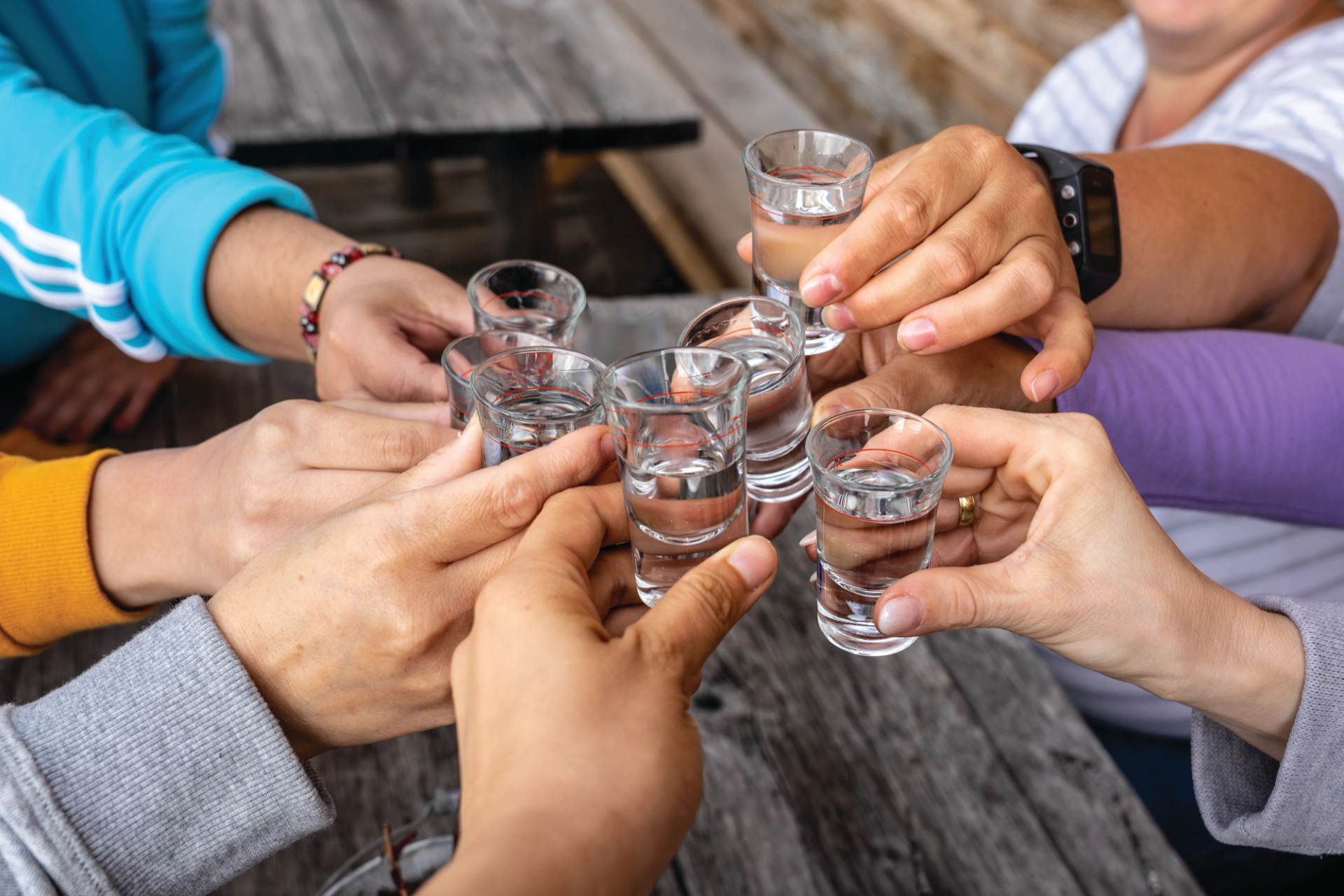
Over a year ago (December 2024), TravelHeatlhPro alerted us to the risks of methanol poisoning in travellers who consume local herbal brews (see https://travelhealthpro.org.uk/news/810/methanol-poisoning-and-local-herbal-brews-during-travel.) Over recent months, awareness of the risk to travellers has grown, following the death of a UK traveller, Simone White, a 28-year-old lawyer from Orpington, along with five others, after consuming free shots at a hostel in Laos.Now the Foreign, Commonwealth and Development Office (FCDO) has published helpful advice to travellers on its Travel Aware site, entitled ‘Spiking and methanol poisoning,’ athttps://travelaware.campaign.gov.uk/spiking-and-methanol-poisoning/ (https://travelaware.campaign.gov.uk/spiking-and-methanol-poisoning/) They have also added methanol poisoning guidance to travel advice pages for eight countries: Ecuador, Kenya, Japan, Mexico, Nigeria, Peru, Uganda and Russia. The FCDO previously only included guidance on methanol poisoning in places where British nationals have been affected. These countries are: Cambodia, Indonesia, Turkey, Costa Rica, Thailand, Vietnam, Laos and Fiji.See the detail at https://www.gov.uk/foreign-travel-advice
CONSENT – GREEN BOOK CHAPTER 2 UPDATE
While the new Green Book (GB) chapter does not fundamentally change the legal principles of consent, it clarifies roles, strengthens regulatory framing, and expands operational guidance, so it is important for us all to be aware of.The 2025 version explicitly links consent to the Care Quality Commission (CQC) Regulation 11 under the Health and Social Care Act 2008.It states that the CQC can prosecute directly for breaches, without first issuing a warning notice.The 2025 version of the GB explicitly distinguishes between registered healthcare professionals (RHP), who are responsible for seeking informed consent, and healthcare support workers (HCSWs), who may administer vaccines only after informed consent has already been obtained.The HCSW cannot obtain informed consent, but may give a vaccine under a PSD, and they should seek agreement to administer a vaccine for which informed consent has been gained by a specified RHP.This also applies to HCSWs working under a national protocol for influenza or COVID vaccines or where the vaccine has been prescribed.Where consent has been obtained for a full course, it is not necessary to seek consent again for each subsequent vaccine unless new information has come to light. However, it is good practice to check that the individual is content to proceed before administering subsequent doses of any vaccine.UKHSA has published supporting information at https://clhtraininghub.co.uk/wp-content/uploads/2025/12/25-12-03-Advice-on-consent-to-immunisation-FINAL-UKHSA-1.pdf, and it would also be wise to also study this to ensure procedures in your workplace are undertaken legally.Of note, HCSWs should not be administering travel vaccines – see my Travel Update in the July-August issue of Practice Nurse.
Related articles
View all Articles