Dengue: Understanding the risks, prevalence and prevention for travellers
Mandy Galloway, Editor
Practice Nurse 2026;56: online first
DISCLAIMER: This article was funded by Takeda UK Ltd, but written independently. Takeda UK Ltd have reviewed the article for accuracy and compliance, but have had no input into the content. January 2026 | C-APROM/GB/DENV/0233 |
Most people who get dengue experience mild disease – so much so that they may not even realise they have been infected – but of those who are infected a second time, some may experience severe disease, which, if untreated, may be fatal
AIMS AND OBJECTIVES
After reading this article, you will have a better understanding of:
- The prevalence of dengue
- The consequences of dengue
- How to identify at risk travellers
- The importance of a comprehensive pre-travel risk assessment
- Where to refer travellers for vaccination against dengue virus if this is not a service offered in your practice
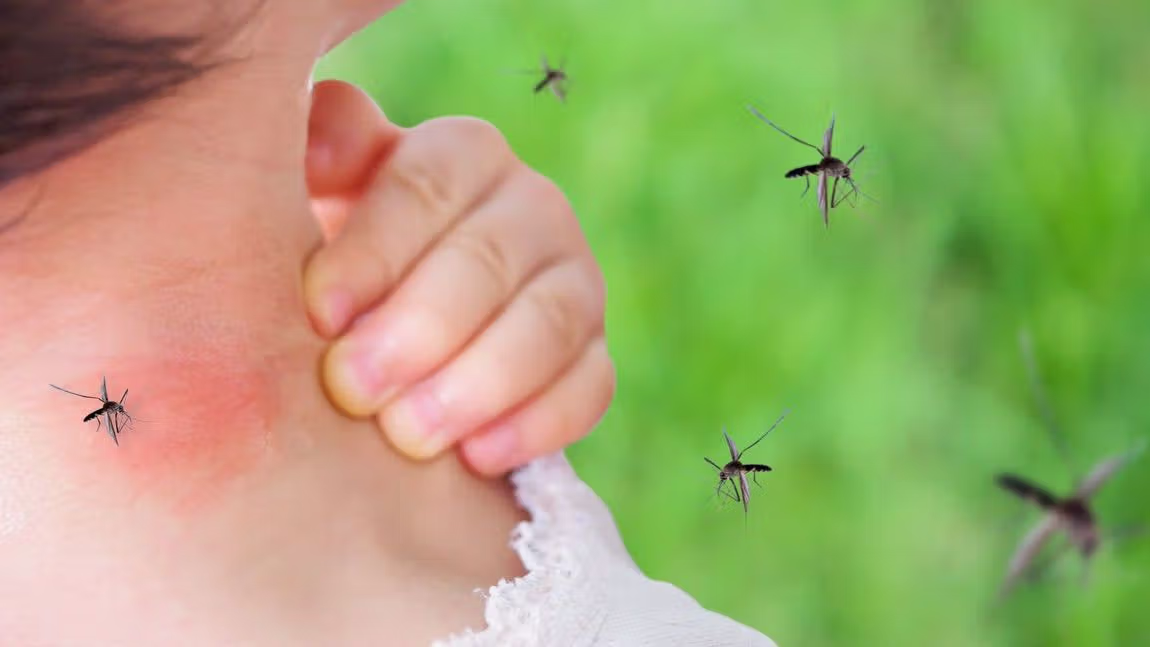
Dengue is a viral infection transmitted to humans through the bite of infected mosquitoes. It is endemic in tropical and sub-tropical climates worldwide, and about half of the world’s population is now at risk of dengue virus (DENV), with an estimated 100-400 million infections each year.1
The incidence of DENV has increased dramatically around the world in recent decades, with the number of cases reported to the World Health Organization increasing from just over half a million cases in 2000 to 14.6 million in 2024. This rise has been linked to climate change, which results in elevated temperatures, increased rainfall, and greater humidity, creating conditions that favour the spread of infected Aedes albopictus and Aedes aegypti mosquitoes.1 The average climate-defined transmission potential of dengue by Ae albopictus increased by 48.5% from 1951–60 to 2015–24, at least partially contributing to the 7.6 million dengue cases reported globally in early 2024, a three-fold increase compared with the previous year, and resulting in 16,000 severe cases and 3,000 deaths.2
Since the beginning of 2025, over 4 million cases of dengue and over 2,500 dengue-related deaths have been reported from 101 countries in Africa, the Americas, the Eastern Mediterranean, Southeast Asia and the Western Pacific:3 70% of the global burden of disease is accounted for by Asia.4 However, cases have also been reported in France, Italy, and Spain.1
However, the incidence of DENV is thought to be under-reported because many infections are asymptomatic, or only result in mild illness, from which patients recover in just a week or two.1
So far, DENV does not occur naturally in the UK, and is associated with travel.4 The risk of contracting DENV depends on the destination, the length of exposure and season of travel – so travellers who spend long periods in endemic areas, such as expatriates or aid workers are at increased risk. UK residents make more than 5 million trips a year to DENV-endemic regions,5 and even short-term travellers may be at risk.4
CONSEQUENCES OF DENV
DENV has four serotypes (DENV-1, DENV-2, DENV-3, DENV-4). Infection with one serotype provides long-term immunity to the same serotype but only transient immunity to the other serotypes, after which a second infection increases the risk of severe dengue.6
The majority of DENV infections are classed as mild, and up to 80% of cases may even be asymptomatic. The incubation period is 4 to 7 days.7 Recovery usually occurs in 1 – 2 weeks.1
For people who do experience symptoms, the most common are:
- High fever (40ºC) of sudden onset
- Severe headache
- Pain behind the eyes
- Muscle and joint pains
- Nausea/vomiting
- Swollen glands
- Rash (maculopapular), which can be widespread and mistaken for sunburn.1,7
Severe dengue is due to an increase in vascular permeability that can lead to life-threatening hypovolaemic shock.7 It is characterised by dangerously low blood pressure and severe bleeding (dengue haemorrhagic fever), with major organ functions becoming compromised, resulting in respiratory distress, impaired consciousness and renal failure. Severe dengue can be fatal without prompt and intensive supportive care.7
Severe dengue symptoms often arise after the initial high fever has subsided, and include:
- Severe abdominal pain
- Persistent vomiting
- Rapid breathing
- Bleeding gums or nose
- Fatigue
- Restlessness
- Blood in vomit or stool
- Excessive thirst
- Pale and cold skin1
Severe dengue is more frequent among children, adolescents, pregnant women, older adults, and people with comorbidities such as asthma, diabetes, obesity, hypertension, kidney disease, bleeding disorders, or those on anticoagulants. The highest risk occurs during a second infection with a different dengue serotype, though severe cases can also arise in other infections. Severe dengue is uncommon in travellers.7
IDENTIFYING TRAVELLERS AT INCREASED RISK OF SEVERE DENGUE7
A comprehensive travel health risk assessment is a core component of a travel health consultation. Travellers at increased risk of severe dengue include:
- Children, adolescents, pregnant women, older adults, and
- People with comorbidities such as:
- Asthma
- Diabetes
- Obesity
- Hypertension
- Kidney disease
- Bleeding disorders, or
- Patients on anticoagulants
- People who have had a previous DENV infection
There is no specific treatment for DENV infection.1,7 Management is supportive with the aim of alleviating symptoms and preventing complications. Pain can be managed with paracetamol (non-steroidal anti-inflammatory drugs should be avoided because they can increase the risk of bleeding).1,7 Patients with severe disease may need admission to intensive care or high dependency units, for careful management of fever, fluid balance, electrolytes and blood clotting.4 With early detection and access to specialist care, death due to severe dengue is typically less than 1%.4
General practice nurses should be alert to the symptoms of the disease, especially in returning travellers who may consult for symptoms of fever or flu-like illness. Patients presenting with warning signs of severe disease (bruising, bleeding in the gums or eyes, or severe abdominal pain) should be referred urgently for hospital assessment.4
DIAGNOSIS
The diagnosis of DENV is confirmed by polymerase chain reaction (PCR) or antigen testing, but previous dengue infection can only be reliably confirmed if the traveller was tested at the time of illness.7
During the initial phase of illness, dengue virus RNA can be detected via PCR in blood samples (typically within the first 7 days following symptom onset) or in urine samples (up to 21 days post-onset). PCR testing for dengue virus is highly specific, so detection of viral RNA in any specimen at any time is definitive for prior dengue infection. In comparison, interpreting dengue serology is more challenging due to cross-reactivity with other flavivirus infections and vaccinations such as Zika, tick-borne encephalitis, or yellow fever. The usual immune response to a primary dengue virus infection involves IgM antibodies emerging approximately 3-5 days after onset, remaining detectable for 2-3 months, while IgG becomes apparent at around 2 weeks and persists for years. In cases of secondary dengue infection, there is typically a rise in IgG levels despite potential serogroup differences from earlier infections, whereas an IgM response may not be observed.7
For those who only test positive for IgG, it is crucial to consider all possible reasons behind the positive result before deciding on vaccination.7 As above, these include:
- Likelihood of prior exposure to dengue virus, including travel and clinical details
- Vaccination against other flaviviruses (yellow fever, Japanese encephalitis and tick-borne encephalitis), which can cause false positive IgG results
- Exposure to other flaviviruses, such as West Nile Virus and Zika virus, which can cause false positive IgG results.7
PREVENTION
The key to preventing DENV infection is avoidance of mosquito bites, and travellers should be advised to be particularly vigilant about precautions when day-biting mosquitoes are most active, around dawn and dusk.4
General advice includes:
- Wearing clothes that cover as much of the body as possible. Consider garments that have been pre-treated with a repellent to reduce biting through clothing
- Using mosquito nets (ideally treated with insect repellent) even for daytime naps
- Closing window screens
- Using mosquito repellent coils (outdoors) and vaporisers (indoors)
- Using mosquito repellents containing DEET, Picaridin or IR3535 on exposed skin.1,8
Repellent should be applied at times when mosquitoes are active and re-applied after activities such as swimming. If sunscreen is also required, the repellent should be applied after the sunscreen. DEET-containing preparations reduce the SPF of sunscreen, so a higher SPF factor (30-50) is recommended.8
VACCINATION
A vaccine, Qdenga®▼ (dengue tetravalent vaccine [live, attenuated]) is available in the UK, and is indicated for the prevention of dengue disease in individuals from 4 years of age. Qdenga should be used in accordance with official recommendations.9
The Joint Committee on Vaccination and Immunisation recommends Qdenga for travellers who have had dengue infection in the past, and who are:
- Planning to travel to areas where there is a risk of DENV infection, or areas where there is an ongoing dengue outbreak, or
- People who are exposed to dengue through their work, e.g. laboratory staff working with the virus.7
However, it is worth noting that when the vaccine was authorised by the Medicines and Healthcare products Regulatory Authority (MHRA) in February 2023, no restrictions on serostatus were imposed, enabling the vaccine to be used for active immunisation against dengue infection, regardless of previous exposure to the virus. The terms of the authorisation allow UK travellers to receive the vaccine before travelling to dengue-endemic regions.10
The MHRA authorisation was based on the approval by the European Medicines Agency, which states: ‘The data for tetravalent dengue vaccine support a broad indication, for both baseline seronegative and seropositive subjects. In agreement with the consulted experts (Scientific Advisory Group on Vaccines) it is concluded that efficacy against DENV-1 and DENV-2 (together causing most of the dengue burden globally) outweighs any remaining uncertainty on potential risk in baseline seronegative subjects.’11
The schedule for administration is two doses, at 0 and 3 months, given by subcutaneous injection, preferably in the upper arm (do not inject intravascularly, intradermally or intramuscularly). The need for a booster (i.e. a third dose) has not been established.7
Another dengue vaccine, Dengvaxia®, is available in some countries but it is not available in the UK. In the absence of interchangeability data, the Green Book recommends that travellers should not complete their Qdenga® vaccine course overseas with Dengvaxia, and vice versa.7
The Green Book advises that, before deciding whether or not to offer vaccination, clinicians should confirm a reliable history of previous DENV infection.7
Following DENV there is short-lived protection against all DENV serotypes, so the Green Book recommends delaying vaccination for at least 12 months after a laboratory-confirmed infection.7
Clinicians should obtain as many details as possible, including previous travel, illness and vaccination history, as well as the results of laboratory tests.
PROVIDING VACCINATION
The dengue vaccine is not available for travellers on the NHS, so if it is needed, it has to be provided privately. According to NHS regulations,12 practices can charge registered patients for travel vaccines that are not available on the NHS. The patient may either be given a private prescription to obtain the vaccine(s) from a pharmacy, or charged for stock purchased and held by the practice. Administration is also chargeable.13 While it is up to the individual practice to decide whether or not to offer private vaccinations, provision of a travel health service generally is now a core part of the GP contract and practices cannot opt out of providing it.14
ROLE OF THE GPN
General practice nurses have been at the forefront of travel health care in the UK since the early 1990s.15 Their role includes undertaking a pre-travel risk assessment, travel health advice, administration of the NHS travel vaccines and malaria prevention advice. In addition, other identified risks, including those where a private travel vaccine may be appropriate, need to be highlighted. This would include directing the traveller to a private travel clinic if necessary.15
Pre-travel risk assessment includes the collection of information about the individual traveller and details of their planned itinerary. In addition to general information on the traveller’s current and past medical history, current health status, medication and any known allergies, the assessment should cover:
- Destination(s)
- Departure date
- Length of stay
- Mode of transport
- Purpose of trip and planned activities
- Quality of accommodation
- Financial budget
- Healthcare standards at destination
- Travel insurance provision.15
It is essential to question travellers on these topics to help with the assessment of potential risks and their management, by providing appropriate advice on vaccinations, malaria prophylaxis, bite avoidance and other prevention measures.14
GPNs should access TravelHealthPro from NaTHNaC to determine the country-specific risks at the traveller’s planned destination (and any stopovers).14
Travellers visiting friends and relatives (VFRs)
VFR travellers have a different risk profile to other types of travellers – tending to travel for longer, live as part of the local community, underestimate their health risks and, importantly, may not seek pre-travel advice.15 It is important, therefore, to ask migrant patients opportunistically about any plans they may have to visit friends and relatives, and encourage them to receive travel health advice at least 6 to 8 weeks before their planned departure.16
In the context of DENV prevention, this means:
- Establishing whether dengue is endemic at the traveller’s destination
- Evaluating whether the traveller’s proposed length of stay puts them at increased risk of exposure – don’t forget travellers include aid workers as well as tourists
- Asking whether the traveller is returning to a dengue-endemic area for a second or subsequent visit
- Considering the potential risk of severe dengue – people at increased risk include:
- Children, adolescents and pregnant women
- Older people
- People with comorbidities such as asthma, diabetes, chronic kidney disease, obesity, hypertension and those taking anticoagulants
- People with previous DENV infection – those who travel to dengue-endemic areas more than once in their lifetime are at greater risk of contracting a second infection
If, as a result of their assessment, the GPN concludes that the traveller is at risk of DENV, they may be eligible for vaccination. Refer to the algorithm in the Green Book, Chapter 15a, page 6, available at https://www.gov.uk/government/publications/dengue-the-green-book-chapter-15a.
CONCLUSION
This article outlines key considerations for the prevention of dengue virus (DENV) among travellers, emphasising risk assessment based on destination endemicity, length and frequency of stay, and individual factors such as age, pregnancy, comorbidities, and, crucially, prior infection. It highlights the importance of thorough evaluation by general practice nurses to determine their risk of exposure to this potentially serious infection, and provide vaccination – or a referral to a private provider – where appropriate.
RESOURCES
- NaTHNac. Dengue. https://travelhealthpro.org.uk/disease/42/dengue
- UK Health Security Agency. Dengue: the Green Book, chapter 15a https://www.gov.uk/government/publications/dengue-the-green-book-chapter-15a
- TravelHealthPro. Insect and tick bite avoidance. https://travelhealthpro.org.uk/factsheet/38/insect-and-tick-bite-avoidance
- NHS Health A to Z: Dengue. https://www.nhs.uk/conditions/dengue/
REFERENCES
- World Health Organization. Dengue fact sheet; August 2025. https://www.who.int/news-room/fact-sheets/detail/dengue-and-severe-dengue
- Romanello M, Walawender M, Hsu S-C, et al. The 2025 report of the Lancet commission on health and climate change. Published Online October 29, 2025. https://doi.org/10.1016/S0140-6736(25)01919-1
- European Centre for Disease Prevention and Control (ECDC). Dengue worldwide overview: situation update, August 2025. https://www.ecdc.europa.eu/en/dengue-monthly
- NaTHNac. Dengue. https://travelhealthpro.org.uk/disease/42/dengue
- World Tourism Organization. Yearbook of Tourism Statistics, Data 2014-2018, 2020 Edition. UNWTO. https://www.e-unwto.org/doi/book/10.18111/9789284421442
- World Health Organization. Dengue – Global situation; 2023. https://www.who.int/emergencies/disease-outbreak-news/item/2023-DON498
- UK Health Security Agency. Dengue: the Green Book, chapter 15a; 2024. https://www.gov.uk/government/publications/dengue-the-green-book-chapter-15a
- TravelHealthPro. Insect and tick bite avoidance; 2024 https://travelhealthpro.org.uk/factsheet/38/insect-and-tick-bite-avoidance
- Qdenga. Summary of Product Characteristics; November 2025 https://www.medicines.org.uk/emc/product/14663/
- Medicines and Healthcare products Regulatory Authority. Public Assessment Report: Qdenga powder and solvent for solution for injection; May 2023. https://mhraproducts4853.blob.core.windows.net/docs/5295b9c11a012400b1cc24780c69ecd3fd918bc4#
- European Medicines Agency. Committee for Medicinal Products for Human Use. Public Assessment: Qdenga; 2022. https://www.ema.europa.eu/en/documents/assessment-report/qdenga-epar-public-assessment-report_en.pdf
- The National Health Service (General Medical Services Contracts) Regulations 2015. (Amended 6 November 2023). https://www.legislation.gov.uk/uksi/2015/1862/regulation/25
- BMA. Travel medication and vaccinations; 2022. https://www.bma.org.uk/advice-and-support/gp-practices/vaccinations/travel-medication-and-vaccinations
- Care Quality Commission. GP mythbuster 107: Pre-travel health services; 2024. https://www.cqc.org.uk/guidance-providers/gps/gp-mythbusters/gp-mythbuster-107-pretravel-health-services
- RCN Travel Health Nursing: career and competence development; 2023. https://www.rcn.org.uk/Professional-Development/publications/rcn-travel-health-nursing-uk-pub-010-573
- UK Health Security Agency. Travel to visit friends and relatives: migrant health guide; updated March 2025. https://www.gov.uk/guidance/travel-to-visit-friends-and-relatives-migrant-health-guide
All websites accessed January 2026.
Related articles
View all Articles