Travel health update September 26
Jane Chiodini, MSc(Travel Med), RGN, FFTM RCPS(Glasg), QN, Director of Education, Faculty of Travel ...
Practice Nurse 2026;56(5):31
Concerning mosquito activity
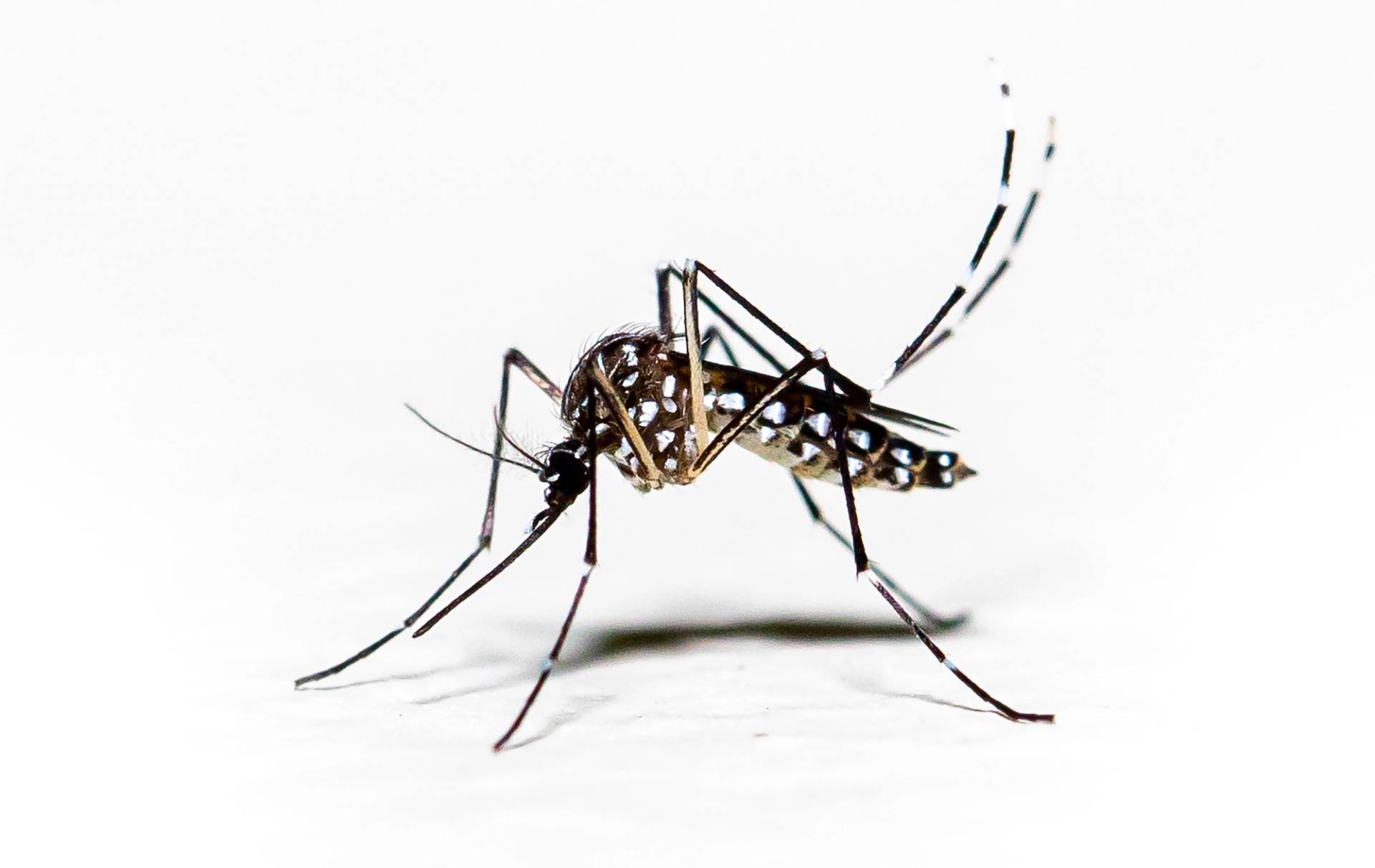
Summer 2026 was the UK's hottest on record, according to provisional data from the Met Office.A recent news report on the UKHSA website from 3rd September found at https://www.gov.uk/government/news/invasive-mosquito-species-detected-in-east-london, notified us that there had been detection of invasive Aedes aegypti mosquitoes and larvae at residential properties in east London.As you’ll be aware, this type of mosquito can transmit a number of travel related diseases, such as dengue, chikungunya, Zika and yellow fever.The UK found mosquitoes are thought to be accidental importations from being trapped in vehicles, suitcases, and imported plants and if they find a suitable climate, they can survive.This type of mosquito has been found in the UK before, but this is the first time Aedes aegypti have been found to be breeding.However, threat of disease will be very low and the species our cannot survive long-term in the typical UK climate, but it is something to be very aware of as climate change affects us all in the UK and Europe. An outbreak of malaria at Frankfurt airport has also been reported. This affected six employees, two of whom died. See https://www.bbc.co.uk/news/articles/cz6zwgg9y8go. Our knowledge about all these diseases and their prevention continue to be very important. My recently written Travel Health Update found at https://janechiodini.learnupon.com/store/5038609-2-travel-health-update addresses all these subjects, including prevention and provides tools to support patient care.
New malaria guidelines
The 2026 edition of the Guidelines for malaria prevention in travellers from the UK were published at the end of July.From this year, the guidance is only available in an HTML format, which will make it easier in the future to update the detail.Several malaria maps have changed with the most important practical changes being India, Botswana, Eswatini, French Guiana and South Africa.This is why it’s important to always refer to the malaria section on TravelHealthPro when you perform your pre-travel risk assessment, so that you do so in real time and document your findings in the patient record.I’ve found the new format online easy and useful to navigate, but have created my own digital index for these malaria guidelines so that one can move about the website even more quickly.This tool can be found for you to use on my malaria page https://www.janechiodini.co.uk/help/malaria/ under the guidelines at item no. 2. I also recently posted about this on my FaceBook page, https://www.facebook.com/TravelHealthTraining
Updated Green Book chapter
While we still eagerly await a number of new or updated travel vaccine chapters to the Green Book, one was published in August for tick borne encephalitis (TBE), which can be found at https://travelhealthpro.org.uk/factsheets/the-green-book-travel-chapters. The main changes as posted on a TraveHealthPro news item were:
- Updated content on the disease and epidemiology (including detection in the UK)
- Tables showing vaccine schedules and reinforcing immunisations
- Updated content regarding severe egg allergy no longer being a contraindication to immunisation
NaTHNaC updated helpline hours
If you have queries about travellers with complex itineraries or special needs, you need to be aware of the revised opening hours for NaTHNaC's telephone advice line for healthcare professionals. Don't forget my tool with details of support – item no. 8 at https://www.janechiodini.co.uk/tools/
Upcoming conferences in travel health
Two conferences this Autumn are online: the joint NaTHNaC/RCN meeting on 26 September (also available to watch after the event), details at https://www.rcn.org.uk/news-and-events/events/rcn-and-nathnac-9th-joint-travel-health-conference at £96 for RCN members, and the British Global and Travel Health Association (BGTHA) meeting on 14 November, free of charge for members and £35 for non-members, including a year’s free subscription to the organisation – more information at https://bgtha.org/conference-registration/. Lastly, the Faculty of Travel Medicine hybrid meeting on 8 October costs £115 for members – details can be found at https://rcpsg.ac.uk/education/faculty-of-travel-medicine-annual-conference. You will find details of the content of all three meetings, including the programmes and speakers, advertised on social media platforms.
Related articles
View all Articles