Thrombocytosis in COPD: Implications for nursing practice
Nikki Lopez, MSc, RGN, Respiratory Nurse Specialist and Nurse Manager, South Coast Medical Group PCN Dorset Member, PCRS Education Committee NHS England Respiratory Champion
Practice Nurse 2026;56(3):23-25
A raised platelet count is usually an incidental finding in patients with COPD but it may be an important indicator of underlying disease activity and is associated with poorer prognosis
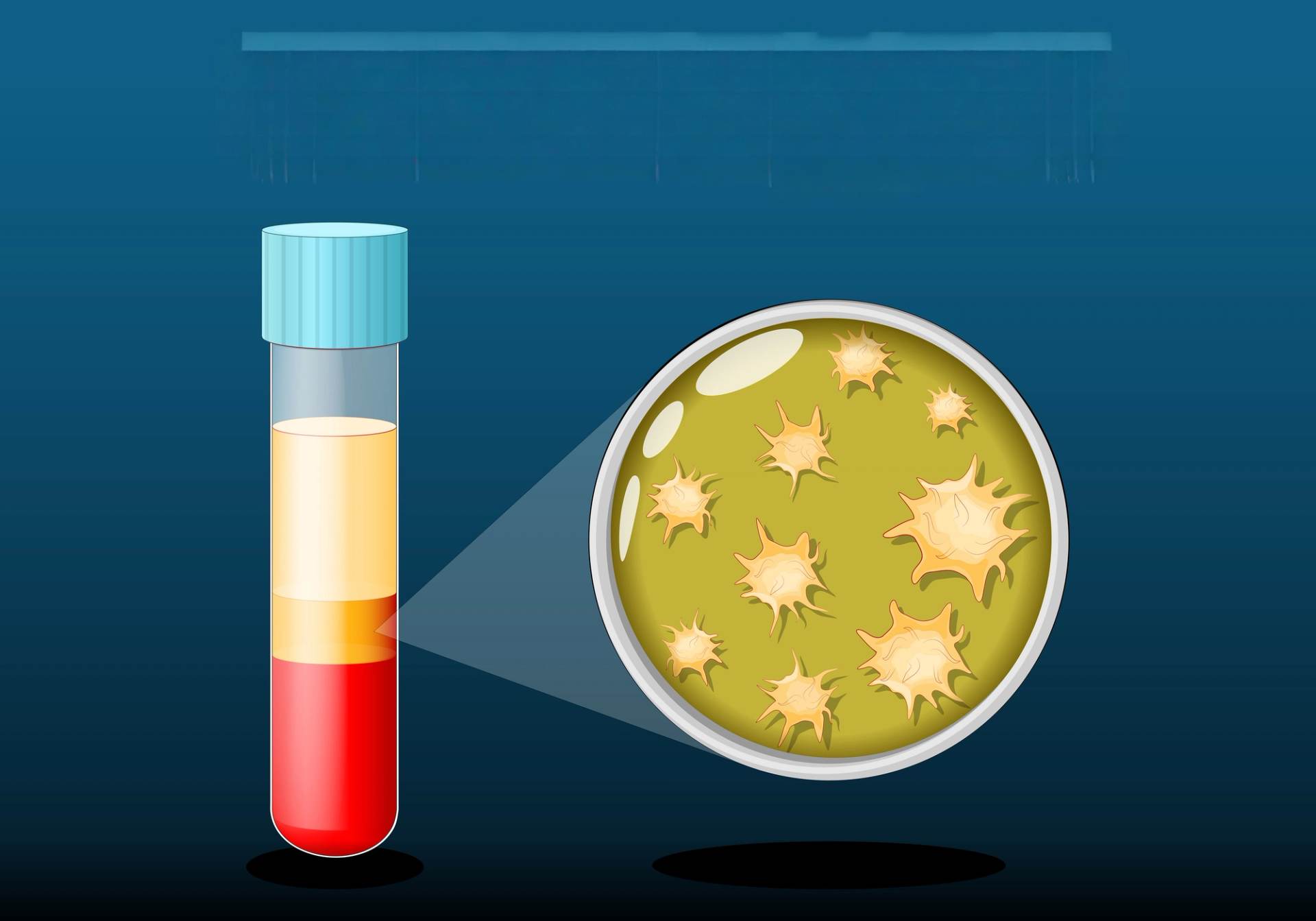
Chronic obstructive pulmonary disease (COPD) is increasingly recognised as a systemic condition associated with multimorbidity, frailty and heightened cardiovascular risk. One haematological finding that may be observed, yet is often overlooked in primary care, is thrombocytosis, usually defined as a platelet count above 450 ×10⁹/L. In people with COPD, this is far more likely to be secondary (reactive) than due to a primary haematological disorder. NICE does not identify thrombocytosis as a routine biomarker in COPD, and GOLD does not include platelet count in its assessment framework; however, both emphasise exacerbation burden, hypoxaemia, multimorbidity and cardiovascular disease, all of which overlap with the clinical context in which thrombocytosis tends to occur.1,2
A useful way to conceptualise thrombocytosis in COPD is not as a condition requiring treatment in its own right, but as a potential marker of systemic stress. Mallah and colleagues3 suggest that platelets may play an active role in inflammatory and thrombotic pathways in COPD, while another study4 found that platelet counts are significantly higher in patients with COPD compared with controls, although with notable heterogeneity. Taken together, these findings suggest that thrombocytosis may reflect underlying disease activity, but should be interpreted cautiously and within the wider clinical picture.
Why does thrombocytosis occur in COPD?
COPD is characterised by chronic airway inflammation with systemic consequences. Inflammatory cytokines, particularly interleukin-6, stimulate thrombopoietin production and platelet synthesis.5 This mechanism provides a plausible biological explanation for reactive thrombocytosis in chronic inflammatory states and during acute exacerbations.
GOLD2 highlights that exacerbations are associated with increased systemic inflammation and worsening prognosis. From this perspective, thrombocytosis may represent a downstream effect of inflammatory burden rather than a separate pathological process.
Chronic hypoxia is also relevant. NICE1 identifies hypoxaemia as a key determinant of disease severity and recommends oxygen assessment in patients with low saturations or advanced disease. Hypoxia stimulates bone marrow activity and may contribute to increased platelet production.
Iron deficiency provides an additional explanation. Iron deficiency is common and often under-recognised in chronic disease, and is a well-established cause of secondary thrombocytosis.6 This highlights the importance of not attributing all platelet elevation to COPD alone.
Systemic corticosteroid treatment, commonly used in acute exacerbations of COPD, is also known to increase platelet counts (typically >450 ×10⁹/L), and even modest doses can increase the risk of venous thromboembolism.7
Beyond VTE, long-term glucocorticoid use is linked to arterial thrombotic events, though isolating steroid effects from other variables remains difficult. Chronic steroid therapy commonly overlaps with conditions that raise cardiovascular risk, and steroids worsen risk factors such as hyperglycaemia and dyslipidaemia.7
Clinical relevance for practice nurses
The clinical importance of thrombocytosis lies in its association with outcomes.
Thrombocytosis is associated with a high likelihood of a prior acute exacerbation of COPD (AECOPD), and correlates with classification with GOLD group E – patients with a history of one or more moderate or severe exacerbations in the past year.8 Research has suggested that platelet count may be a biomarker for moderate-to-severe COPD symptoms, and guide disease classification and intensity of treatment.
In patients hospitalised with AE COPD, thrombocytosis has been independently associated with increased in-hospital and one-year mortality.9 This supports the view that elevated platelet counts may identify patients with greater physiological stress and poorer prognosis.
However, evidence of increased mortality is not entirely consistent. Other research has found a U-shaped relationship between platelet count and mortality in stable COPD, but no clear association with future exacerbation risk.10 This suggests that while platelet count may carry prognostic information, it lacks specificity as a standalone clinical tool.10
For practice nurses, thrombocytosis is therefore best understood as a risk marker, complementing rather than replacing established assessment domains such as exacerbation history, symptom burden and comorbidity.
What might the patient look like?
Thrombocytosis itself is rarely symptomatic. Instead, patients typically present with features of advanced or unstable COPD, including:
- Frequent or recent exacerbations
- Persistent breathlessness
- Reduced exercise tolerance
- Delayed recovery following illness
- Fatigue and poor sleep
Frailty is common, particularly in older adults, with weight loss, sarcopenia and reduced independence. Cardiovascular comorbidities, including ischaemic heart disease, atrial fibrillation and heart failure, are also frequently present.2
How do I know if my patient has thrombocytosis, and what should I do?
Thrombocytosis is usually identified incidentally on a full blood count. A platelet count above 450 ×10⁹/L confirms the diagnosis. The key is to interpret the result in context rather than in isolation.
Recognising thrombocytosis
It is commonly detected:
- During annual COPD review
- Following an exacerbation
- As part of multimorbidity assessment
Trend analysis is essential, as transient elevations are common following infection.
A practical approach
First, confirm whether the elevation is persistent and review recent clinical events. Second, consider secondary causes such as infection, inflammation, iron deficiency and hypoxia. Third, use the result as a prompt to reassess the patient holistically.
GOLD emphasises that COPD management should focus on symptom control, exacerbation prevention and comorbidity management.2 Therefore, a raised platelet count should trigger review of inhaler technique, adherence, smoking status, vaccination uptake, pulmonary rehabilitation referral and self-management planning.
Cardiovascular risk should also be addressed. COPD is associated with increased thrombotic risk, and thrombocytosis may reflect this vulnerability. However, treatment decisions should follow established cardiovascular indications rather than platelet count alone.
Further investigation is required if platelet counts are markedly elevated (typically >600–700 ×10⁹/L), persist without explanation, or are associated with atypical features. In such cases, haematology referral should be considered.
Linking thrombocytosis to exacerbation reduction
Exacerbation prevention remains central to COPD management. GOLD identifies previous exacerbations as the strongest predictor of future events,2 and it has been suggested that thrombocytosis during exacerbation is associated with poorer outcomes, supporting its role as a marker of disease severity.
With conflicting evidence over the association between platelet count and future exacerbations in stable COPD, thrombocytosis should not be used in isolation to predict exacerbation risk. However, it may still contribute to overall clinical judgement.
Frailty and cardiovascular multimorbidity
COPD is strongly associated with frailty and cardiovascular disease. GOLD highlights the systemic effects of COPD, including muscle dysfunction and nutritional decline, alongside high rates of cardiovascular comorbidity.2
Platelets may contribute to inflammatory and thrombotic pathways in COPD, reinforcing the link between respiratory disease and cardiovascular risk.3 However, the relationship is complex, and a definitive link between thrombocytosis and cardiac hospitalisation has not been demonstrated.
In practice, thrombocytosis should prompt careful cardiovascular risk assessment rather than isolated treatment.
Should we routinely act on thrombocytosis?
There are arguments both for and against.
On one hand, platelet count is readily available and may provide additional insight into disease burden. Studies suggest an association with mortality and systemic inflammation.4,8
On the other hand, thrombocytosis is non-specific and influenced by multiple factors. NICE and GOLD do not include platelet count in routine COPD management,1,2 and there is no evidence that treating thrombocytosis improves outcomes.
A pragmatic approach is therefore recommended: interpret thrombocytosis within the broader clinical context and use it to support, rather than direct, decision-making.
When should I investigate further?
Further investigation is appropriate where platelet counts are:
- Markedly elevated (>600–700 ×10⁹/L)
- Persistently raised without clear cause
- Associated with atypical features
Reactive thrombocytosis literature emphasises the importance of identifying underlying causes rather than focusing solely on the platelet count.11 Where uncertainty remains, specialist referral is appropriate.
Conclusion
Thrombocytosis in COPD is best understood as a marker of systemic inflammation, hypoxia, exacerbation burden and cardiovascular risk rather than a condition requiring direct treatment. While not included in NICE or GOLD guidance, it aligns closely with recognised indicators of poor prognosis.
For practice nurses, thrombocytosis provides an opportunity to identify higher-risk patients and strengthen holistic, preventative care. Used appropriately, it can support earlier intervention, improved risk stratification and better integration of respiratory and cardiovascular management in primary care.
Key points for practice |
|
References
- NICE NG115. Chronic obstructive pulmonary disease in over 16s: diagnosis and management; 2018. https://www.nice.org.uk/guidance/ng115
- GOLD. Global Strategy for the Diagnosis, Management and Prevention of COPD; 2024. https://goldcopd.org
- Mallah H, Ball S, Sekhon J, et al. Platelets in chronic obstructive pulmonary disease: An update on pathophysiology and implications for antiplatelet therapy. Respir Med 2020;171:106098. doi: 10.1016/j.rmed.2020.106098.
- Zinellu A, Paliogiannis, Sotgiu E, et al. Platelet count and platelet indices in patients with stable and acute exacerbations of chronic obstructive pulmonary disease: a systematic review and meta-analysis. COPD 2021;18(2):231-245
- Kaser A, Brandacher G, Steurer W, et al. Interleukin-6 stimulates thrombopoiesis through thrombopoietin. Blood 2001;98(9):2720–2725.
- Auerbach M,Adamson JW. How we diagnose and treat iron deficiency anemia. Am J Hematol 2016;91(1): 31–38. doi: 10.1002/ajh.24201.
- Gurumurphy G, Thachil J. Thrombotic complications of glucocorticoids and anabolic steroids. Res Pract Thrombosis Haemostasis 2025;9(7):103208
- Fawzy A, Putcha N, Paulin LM, et at. Association of thrombocytosis with COPD morbidity: the SPIROMICS and COPDGene cohorts. Respir Res 2018;19:20. https://pmc.ncbi.nlm.nih.gov/articles/PMC5787242/
- Harrison MT, Short P, Williamson PA, et al. Thrombocytosis is associated with increased short and long term mortality after exacerbation of chronic obstructive pulmonary disease: a role for antiplatelet therapy? Thorax 2014;69(7):609–615. doi: 10.1136/thoraxjnl-2013-203996.
- Fawzy A, Anderson JA, Cowans NJ, et al. Association of platelet count with all-cause mortality and risk of cardiovascular and respiratory morbidity in stable COPD Respir Res 2019;20(1):86. doi: 10.1186/s12931-019-1059-1.
- Shapland MB. Reactive thrombocytosis: a benign entity? Reinsurance Group of America 2022; https://www.rgare.com/knowledge-center/article/reactive-thrombocytosis-a-benign-entity
Related articles
View all Articles