Surge in demand predicted for semaglutide
Practice Nurse 2024;54(3):6
Practice Nurse 2024;54(3):6
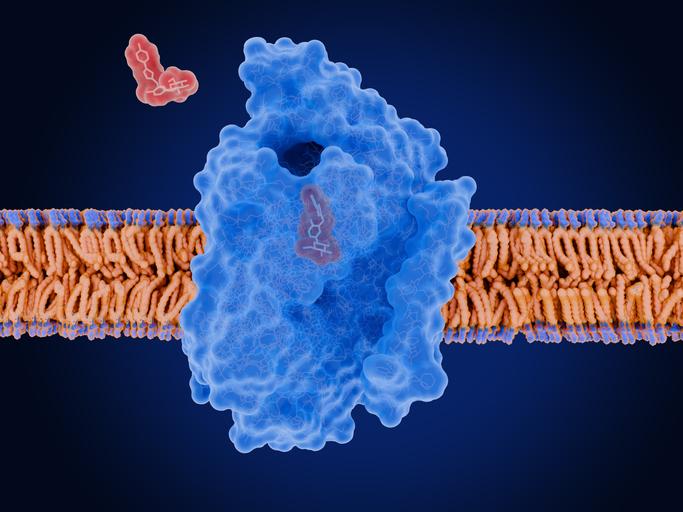
Semaglutide, a GLP-1 receptor agonist used in the treatment of type 2 diabetes and obesity, has been shown to significantly reduce the risk of cardiovascular events even in people who do not have diabetes.
The drug has been hailed as a ‘gamechanger’ by Professor John Deanfield, director of the National Institute for Cardiovascular Outcomes Research, and one of the authors of the SELECT trial (Semaglutide and cardiovascular outcomes in obesity without diabetes).1 Professor Deanfield has called for semaglutide to be routinely prescribed to treat cardiovascular disease, and predicts that ‘millions of people’ could be taking it within in the next few years.
A double-blind, randomised, placebo-controlled trial involving 17,604 patients with pre-existing cardiovascular disease and overweight or obesity but without diabetes, found that weekly subcutaneous semaglutide reduced death from cardiovascular causes, nonfatal myocardial infarction and nonfatal stroke, by 20% compared with placebo.
Semaglutide has long been used as a treatment to control blood glucose levels in people with type 2 diabetes.
NICE does not currently recommend GLP-1 RAs to reduce cardiovascular risk, and only recommends this class of drug in type 2 diabetes in patients who fail to meet glucose targets on at least two other diabetes agents, and who meet strict criteria for BMI, and for whom insulin is not suitable. However, NICE does recommend semaglutide (as Wegovy) for weight loss, as part of a specialist weight management programme.
However, GLP-1 RAs have become better known by the public as weight loss drugs – ‘skinny jabs’ – contributing to demand outstripping supply. Supplies are not expected to return to normal until at least the end of the year (2024).
Clinicians have been advised by the Government not to initiate GLP-1 RAs in patients with type 2 diabetes, and patients already taking any of the drugs in this class may need to be switched to alternative glucose-lowering treatments, including oral semaglutide (Rybelsus) or the GIP-GLP-1 RA, tirzepatide (Mounjaro), both of which are more readily available.
- In a study just presented at the European Renal Association (ERA) congress (25 May 2024), semaglutide has also been shown to protect kidney function in people with overweight or obesity and heart disease.2 In a secondary analysis of the SELECT trial, 22% fewer semaglutide patients experienced adverse renal events including onset of macroalbuminuria, renal replacement therapy or death from kidney-related causes than those on placebo. Semaglutide also slowed the decline of eGFR and reduced urinary albumin-to-creatinine ratio (UACR) compared with placebo, indicating its potential to protect kidney function in people with existing kidney failure.
1. Lincoff AM, et al. N Engl J Med 2023;389:221-31
2. Colhoun HM. Effect of semaglutide on kidney outcomes in people with overweight or obesity and established cardiovascular disease in the SELECT trial. Presented at the ERA Congress, 2024.
Related news
View all News